
The short answer
- A wood stove smokes when you open the door because the chimney draft is weaker than the rush of air coming in through the opening.
- The usual causes are a cold flue, a door opened too fast, and a house under negative pressure from exhaust fans or a basement install.
- Open the air control all the way and wait about a minute. Then crack the door an inch and let it settle before you swing it open.
- If it smokes on every reload even with a hot fire going, check the chimney cap and flue for a blockage before you burn again.
Updated October 12, 2026.
Your wood stove smokes when you open the door because the chimney can’t pull hard enough to handle all the air that suddenly rushes in. So the smoke spills out the front instead of going up. Most of the time the cause is a cold flue, a door opened too quickly, or a house that’s pulling air harder than the chimney can.
October is when this shows up most around here. The first fires go into a chimney that’s sat cold all summer, and the afternoons are often too mild to give it much pull.
What makes a wood stove smoke when you open the door?
Smoke comes out the door when the draft, the upward pull of hot gas in the chimney, can’t keep up with the air coming in. With the door closed, the stove only takes in air through its small air controls, and the chimney handles that easily.
Open the door and you’ve made an intake many times larger in a split second. If the flue is hot and drafting hard, it swallows that extra air and the smoke stays put. If the draft is weak, the smoke that was drifting lazily toward the flue spills out the top of the opening instead.
Everything else in this guide comes back to that one idea. Either make the draft stronger, or let the air in more gently.
Why is it worse on the first fires of fall?
A cold chimney drafts poorly, and early fall is when your chimney is coldest compared to how hot it needs to be. Draft depends on the difference between the temperature inside the flue and the temperature outside, so a mild 60-degree afternoon gives you less pull than a 20-degree January night.
That’s why the same stove that behaves fine in deep winter will puff smoke at you in October. An exterior chimney on the north side of the house, common on older farmhouses here, takes even longer to warm up.
The fix is to get the flue hot before you need to open the door. Burn small, dry kindling hot with the air wide open for the first 20 to 30 minutes. If the chimney won’t start pulling at all, hold a lit, rolled-up sheet of newspaper near the flue opening for a few seconds to flip the cold air column before you light the main fire.
How do you open a wood stove door without getting smoke?
Open the air control all the way, wait about a minute, then crack the door an inch or two and hold it there for another 10 to 20 seconds before you open it fully. That pause gives the fire time to brighten and the draft time to catch up with the new air coming in.
If your stove has a bypass damper or a separate flue damper, open that first too. Catalytic stoves almost always have a bypass, and opening the door with it closed is one of the most common reasons people get a face full of smoke.
Timing matters as much as technique. Reload when you’re down to a bed of glowing coals with some flame left, not after the fire has burned down to a dull smolder. A smoldering fire means a cool flue and a weak draft.
Swing the door slowly. A fast swing works like a paddle and pulls smoke out into the room with it.
Solo Stove Infrared Thermometer

A no-touch infrared thermometer tells you whether your stovepipe is warm enough before you open the door, so you don’t have to guess. Aim it at black painted pipe, since shiny stainless gives misleading readings. Check that the listed reading range covers stove temperatures before you rely on it.
- No-touch infrared temperature reading
- Digital display
COREGROUND Leather Fireplace Gloves
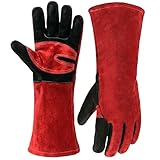
Long leather gauntlets let you crack the door, hold it, and reach in to set a split without singeing your forearm. The 16-inch length is what matters here, since a short glove leaves your wrist right over the opening.
- 16-inch leather gauntlet length
- Heat-resistant for wood stoves and fireplaces
Can your house pull smoke out of the stove?
Yes, and people overlook it all the time. Bathroom fans, a range hood, and a clothes dryer all push air out of the house, and the replacement air has to come in from somewhere, sometimes straight down your chimney.
Try this test. Turn off every exhaust fan and the dryer, then crack a window in the same room as the stove. If the smoke problem goes away, the house was starving the stove for air.
Basement stoves have this problem worse than any other setup. Warm air rises and leaks out of the upper floors, which pulls air in down low, so the basement wants to draw air down the chimney instead of up. Plenty of West Virginia homes heat with a basement stove, and those owners usually do best with an outside air kit or a cracked basement window during reloads.
Newer, tighter houses can run into the same trouble. If the smell lingers after reloads, an air purifier built for wood stove smoke helps clear the room, but treat that as cleanup, not a fix.
Could the chimney be the problem?
If the stove smokes on reloads even with a hot fire, an open air control, and no fans running, look at the chimney next. A partial blockage or a chimney that’s too short will leave the draft weak no matter how you open the door.
The cap screen is the first place to check. Creosote and fly ash can glaze over the mesh, and leaves or an old bird nest can choke it, which you can often spot from the ground with binoculars.
Creosote buildup inside the flue narrows the passage the same way. It also raises the risk of a chimney fire, so a stove that gets smokier over the course of a season is telling you it’s time to sweep.
Chimney height matters too. The common standard, NFPA 211, calls for the chimney to extend at least 3 feet above where it passes through the roof and at least 2 feet higher than anything within 10 feet. Homes down in a hollow or below a ridgeline also deal with wind rolling over the hill and pushing down the flue, and a taller chimney or a draft-inducing cap is the usual answer there.
Does wet wood make it smoke more?
Yes. Wood that hasn’t seasoned down to about 20 percent moisture or less burns cooler because the fire spends its energy boiling off water, and a cooler fire means a cooler flue and a weaker draft.
Wet wood also makes more smoke to begin with, so there’s more of it waiting to spill out when the door opens. If you hear hissing or see water bubbling at the ends of your splits, that load isn’t ready.
A moisture meter settles the question. Split a piece fresh and test the inside face, since the outside of a log always reads drier than the middle.
When should you call a chimney sweep?
Call a sweep if the stove smokes on every reload after you’ve tried a hot fire, slow door opening, and shutting off exhaust fans. When the smoke keeps coming with all of that handled, the problem is most likely the chimney itself.
The Chimney Safety Institute of America recommends an inspection every year, and sweeps around here book up fast once the first cold snap hits. If you smell smoke in the house with the stove door closed, stop burning until someone looks at it.
Sweeping season also means soot tracked across the floors, and a vacuum that works on both wood floors and rugs makes that cleanup go faster. If you’re getting a cabin ready for deer season, check the stove at camp while you sort through your hunting camp cooking gear.
Frequently asked questions
Is it dangerous if my wood stove smokes when I open the door?
A small puff on reload isn’t an emergency, but smoke carries carbon monoxide and fine particles you don’t want to breathe regularly. Keep a working carbon monoxide detector near the stove and on each sleeping floor. If smoke or a smoky smell shows up with the door closed, stop using the stove until the chimney is checked.
Why does my wood stove only smoke when I first light it?
A cold chimney is full of cold, heavy air that resists the smoke trying to rise. Once the flue warms up, the draft gets stronger and the smoking stops. Priming the flue with a lit roll of newspaper and starting with small, dry kindling speeds that up.
Should I open the damper before I open the stove door?
Yes. Open the air control and any bypass or flue damper fully, then wait about a minute before you crack the door. That gives the fire time to flare up and the draft time to strengthen.
Can a chimney be too short for a wood stove?
Yes, and a short chimney is a common cause of weak draft. NFPA 211 calls for at least 3 feet above the roof penetration and 2 feet higher than anything within 10 feet. Homes in hollows or below a ridge may need extra height or a draft-inducing cap to deal with downdrafts.
Most smoky-door problems go away once you burn hotter, open slower, and stop letting the bathroom fan fight the stove for air. Give it a week of real fall fires with properly seasoned firewood and the chimney usually settles in.
A stove that drafts right is the best thing in a WV kitchen on a cold morning, warm enough to keep a sourdough starter going and dry out wet boots by the back door. If you’re stocking up on stove gear before the cold sets in for good, the current deals page is worth a look.
