
Key takeaways
- Most of West Virginia plants garlic between mid-October and mid-November.
- The target is three to six weeks before the ground freezes hard, so cloves root without pushing much top growth.
- Above about 3,000 feet, move it up: late September through mid-October.
- Ohio and Kanawha valley gardens can often plant into the third week of November in a mild fall.
- Hardneck varieties handle a WV winter better than softneck, and fall planting beats spring planting by a wide margin.
Updated September 4, 2026. Back to routine. Fall is arriving. Home organization and cozy season starting.
On this page
- When is the best time to plant garlic in West Virginia?
- How does elevation change the planting date?
- What happens if you plant garlic too early or too late?
- Can you plant garlic in the spring instead?
- Which garlic grows best in West Virginia?
- How deep and how far apart should the cloves go?
- When should you mulch garlic here?
- When do you harvest fall-planted garlic?
- Frequently asked questions
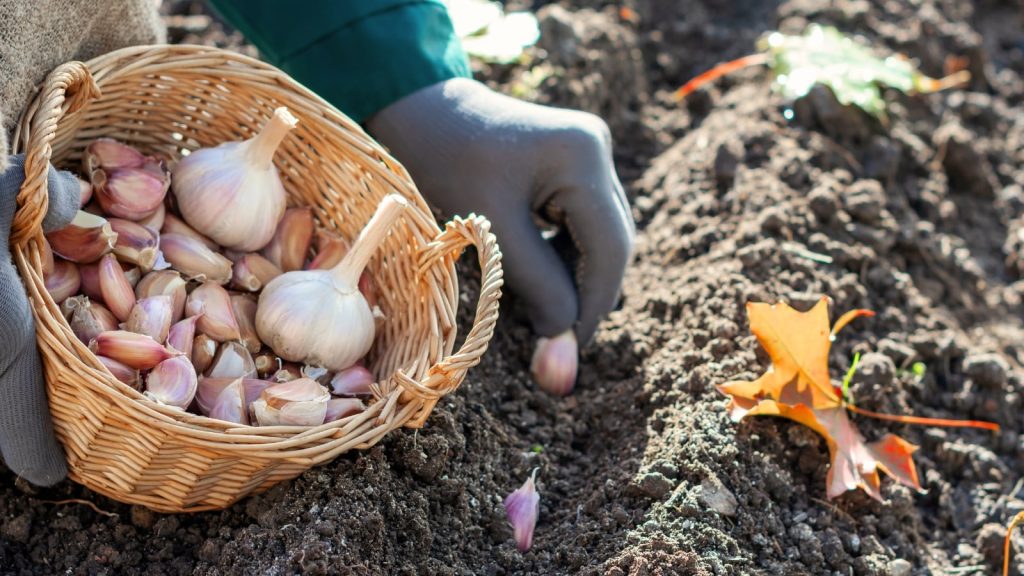
Plant garlic in West Virginia from mid-October through mid-November in most of the state. The rule behind that window is simple: get cloves in the ground three to six weeks before the soil freezes hard, which gives them time to grow roots without sending up much green.
Elevation shifts the date more than the calendar does. A garden in Tucker County should be planting when a garden in Huntington still has tomatoes going.
When is the best time to plant garlic in West Virginia?
Mid-October to mid-November covers most West Virginia gardens. If you want one date to plan around, the week after your first hard frost is a reliable trigger.
Garlic wants a cold period to split into cloves, but it also wants a root system before that cold arrives. Planting shortly after the first frost splits the difference. The soil is still warm enough at four inches down for roots to push, and cold enough on top that the plant does not waste energy on leaves.
If you are already tracking your fall dates for spinach and turnips, garlic slots onto the tail end of that same schedule. Our fall garden planting dates for West Virginia lay out the earlier crops, and garlic is the last thing to go in before the beds rest.
How does elevation change the planting date?
Higher elevations plant two to four weeks earlier than the valleys. West Virginia runs from roughly zone 5b in the high mountains to 7a in the lower Ohio and Potomac valleys, and that spread is real, not academic.
Here is how it shakes out in practice:
- Above 3,000 feet (Canaan Valley, Snowshoe area, much of Pocahontas and Randolph): late September into mid-October.
- Mid-elevation counties (Greenbrier, Upshur, Nicholas, most of the interior): mid-October into early November.
- Ohio Valley, Kanawha Valley, Eastern Panhandle lowlands: late October into mid-November, sometimes later in a warm year.
Cold air also pools in the hollows, so a bottomland garden can freeze before a hillside garden 400 feet above it. If your low spot frosts first every year, treat it as a higher elevation and plant a week early.
What happens if you plant garlic too early or too late?
Too early and the garlic sends up green shoots in November that get burned back by winter. Too late and the cloves sit in cold ground with no roots, which means weak plants and small bulbs next summer.
Of the two, early is the smaller problem. A few inches of green in the fall will look rough by January, but the bulb usually recovers and grows fine in spring. Do not rip it out.
Late is harder to fix. If Thanksgiving has passed and you still have cloves in the kitchen, plant them anyway, then mulch heavy. Garlic in the ground in December beats garlic in a paper bag in January.
Can you plant garlic in the spring instead?
You can, but the bulbs will be noticeably smaller. Garlic needs several weeks below about 40 degrees to break into full-size cloves, and a West Virginia spring does not reliably supply that once the ground thaws.
Spring-planted garlic often comes up as a single round bulb, no cloves at all. That round is still edible and it will grow into a proper head if you replant it that fall. Treat spring planting as a way to save cloves you forgot about, not as the plan.
If you must plant in spring, get it in as soon as the soil can be worked, usually March here. Then expect a July harvest of small heads and green garlic.
Which garlic grows best in West Virginia?
Hardneck garlic suits West Virginia winters better than softneck. Hardnecks are bred for real cold, they produce scapes you can cook with in June, and the cloves are big and easy to peel.
Porcelain and rocambole types do well through the mountains. Music, German Extra Hardy, and German Red show up over and over in Appalachian gardens for a reason: they take a freeze and keep going.
Softneck garlic stores longer and braids nicely, and it will grow in the warmer counties. It just gets less dependable the higher you go. Buy seed garlic from a grower rather than the grocery store, since grocery bulbs are often treated to resist sprouting and may carry disease from another region.
How deep and how far apart should the cloves go?
Plant cloves about two inches deep, pointed end up, six inches apart, with rows ten to twelve inches apart. In our heavy clay, go two inches and no deeper, then make up the difference with mulch on top.
Break the bulb into cloves the day you plant, not weeks ahead. Leave the papery wrapper on each clove and plant only the fat outer ones. The small inner cloves make small bulbs, so cook with those.
Drainage matters more than fertility. Garlic sitting in soggy clay all winter rots, so plant in a raised row or a bed with a few inches of height to it. If your ground is the rocky red clay most of us deal with, breaking it up in advance is half the job, and the right tools for WV clay soil save your wrists.
When should you mulch garlic here?
Mulch after the ground has cooled but before it freezes solid, usually late November into early December. Four to six inches of straw or shredded leaves is the standard, and it does three jobs: holds soil temperature steady, stops frost heave, and keeps spring weeds down.
Frost heave is the one people underestimate. Freeze and thaw cycles push shallow cloves right out of the ground, and West Virginia gives you plenty of those in February. Mulch prevents most of it.
Come March, garlic will push through straw on its own. Your real spring job is keeping weeds off it, because garlic has skinny roots and loses to competition fast. A narrow hand weeder gets between plants without slicing the bulbs.
Fiskars Ergo Hand Weeder
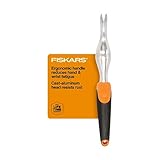
Garlic beds need close, careful weeding in spring, and a wide hoe will take the bulbs right out with the chickweed. This narrow forked weeder pulls roots out of tight spacing without disturbing what you planted. Good pick if you garden in clay and end up levering things loose more than slicing them.
- Narrow forked head for weeding between closely spaced plants
- Cast aluminum head with ergonomic handle for leverage in clay soil
While you are cleaning up beds this month, hold onto the leaf and stalk material you can use as mulch instead of burning it. If you do have a brush pile going, check the rules on when burning is legal in West Virginia first, since the fall restrictions kick in October 1.
When do you harvest fall-planted garlic?
Harvest in July for most of West Virginia, sometimes the last week of June in the warm valleys. The signal is the leaves: when the bottom three or four have gone brown and five or six are still green, dig.
Each green leaf is a wrapper layer around the bulb. Wait too long and those wrappers rot off in the ground, and the bulb splits and stores poorly. Loosen with a fork rather than pulling by the stalk.
Cure the bulbs in a shaded, airy spot for two to four weeks before you trim and store them. A covered porch or a barn loft works, as long as air moves and rain stays off. Then you are back around to October, saving your biggest heads for seed.
Garlic pairs well with the rest of the fall list too, so if you are still filling beds this month, see what goes in a West Virginia fall garden before the frost date closes the window. For seasonal garden and outdoor picks we come across, the deals hub gets updated through the week.
Frequently asked questions
Is October too early to plant garlic in West Virginia?
No, October is the main planting month for most of the state. High-elevation gardens should aim for the first half of October, and valley gardens can wait until the end of the month or into November. The only planting that counts as too early is late September in the warm lowlands, where cloves may put up several inches of growth before winter.
Can I plant grocery store garlic?
You can, but it often disappoints. Much of it is softneck grown in a mild climate and some is treated with a sprout inhibitor, so it may not come up at all. Seed garlic from a grower is worth the extra money because it is untreated, disease-screened, and matched to cold winters.
How much garlic should I plant for a family?
Figure one head per week you want to cook with, plus extra to replant. About 40 to 50 cloves fills a small bed and gives most households a year of garlic with seed left over. A single bulb usually breaks into six to ten plantable cloves.
Do I need to water garlic after planting it in the fall?
Water it in once at planting if the soil is dry, then leave it alone. West Virginia fall and winter rain handles the rest, and soggy soil is a bigger risk to overwintering cloves than dry soil. Pick watering back up in spring if May turns dry while bulbs are sizing.
If you only remember one thing, remember the trigger rather than the date: plant garlic a week or two after your first hard frost, whenever that lands where you live. That single rule adjusts itself for elevation, for a late warm spell, and for the hollow that always frosts before the ridge.
Then mark your calendar for late November to mulch, and forget about the bed until March. Garlic is about as low-maintenance as a crop gets, and it goes in during the same weeks you are already foraging the last ripe pawpaws and putting the garden to bed.
