
Key takeaways
- West Virginia’s ginseng digging season opens September 1 and closes November 30.
- Only mature plants may be dug, generally those with three or more prongs and a mature seed head.
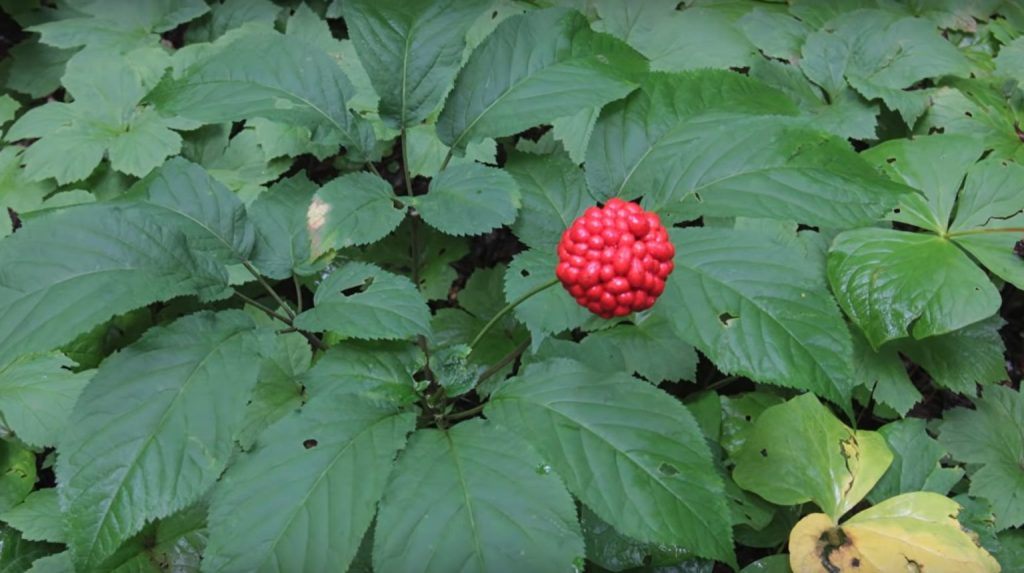
- Ripe red berries have to be planted at the spot where you dig the root.
- You need the landowner’s permission on private ground, and most public land is either closed to digging or permit-only.
- Roots must be weighed and certified through the WV DNR ginseng program before they can legally leave the state. Updated August 12, 2026.
What’s in this guide
- When does ginseng season start in West Virginia?
- Do you need a permit or license to dig ginseng?
- Where can you legally dig ginseng in WV?
- How big does a ginseng plant have to be to dig?
- Why do you have to plant the berries?
- What does ginseng look like in September?
- What tools do you need to dig ginseng?
- How do you dry ginseng roots?
- When does ginseng have to be weighed and certified?
- Frequently asked questions
West Virginia’s ginseng harvest season starts September 1 and runs through November 30. That opening date has held steady for years, and it applies statewide, on private land and public land alike.
The date is the easy part. The rules that come with it, plant size, berry planting, permission, and certification, are where most people get tripped up, so here they are in plain language.
When does ginseng season start in West Virginia?
September 1. Digging any wild American ginseng root before that date is illegal in West Virginia, and the season closes at the end of November.
September 1 is not an arbitrary date. It is set late enough that the berries have turned red and the seed inside is viable, which is the whole point of the timing. Dig a plant in July and you have taken the root and killed the next generation with it.
Late September and October are when most experienced diggers work anyway. The leaves turn a clear yellow that stands out against green forest floor, which makes the plants far easier to spot than they were in August. Same reason people notice other seasonal shifts around then, like when the hummingbirds clear out of West Virginia.
Do you need a permit or license to dig ginseng?
You do not need a state license to dig ginseng for yourself on land you own or have permission to be on. You do need a license if you buy ginseng from other diggers, which makes you a dealer under state law.
The WV Division of Natural Resources runs the ginseng program, including dealer licensing and root certification. Public land is a separate question and often does require a permit, which I cover in the next section.
Rules, forms, and current-year deadlines live on the WV DNR site. Check there before the season rather than trusting a forum post, since program details and dates get adjusted from time to time.
Where can you legally dig ginseng in WV?
On private land with the owner’s permission, and on certain public land only where a permit system allows it. West Virginia state parks are closed to ginseng harvest, full stop.
Get permission in writing if you can. A signed note with the landowner’s name, the property, and the date costs nothing and settles any argument later. Digging without permission is trespassing plus a ginseng violation, and conservation officers do work these hollows in the fall.
National forest ground and wildlife management areas each have their own policy, and those policies have changed over the years. Call the district ranger office or DNR before you walk in. The same habit applies to plenty of other rural activities in this state, like knowing when brush burning is legal before you strike a match.
How big does a ginseng plant have to be to dig?
West Virginia requires mature plants, which in practice means three or more prongs and a seed head. A prong is one stalk of leaves coming off the main stem, and each prong carries five leaflets, three big and two small.
A one-prong or two-prong plant is a youngster. Leave it. Those plants are usually two to four years old and have never made seed, so digging them is how a patch gets wiped out inside of a decade.
The federal export standard tied to ginseng is five years of age, and a three-prong plant with berries is the field shorthand for that. If you want to be sure, count the scars on the neck of the root after you dig. Each year the plant grows leaves it leaves a mark, and those rings are how buyers judge age too.
Why do you have to plant the berries?
Because state law requires it, and because a patch that never gets replanted disappears. When you dig a plant with ripe red berries, you have to plant those berries at or near the spot where the root came out.
Plant them about an inch deep in the loose dirt you just turned, then push the leaf litter back over the hole. Ginseng seed needs a full winter and usually a second one before it germinates, so nothing will show for eighteen months or more. That delay is exactly why people skip this step and why so many old patches are gone.
Green berries, still hard and pale, mean the plant is not ready. Mark the spot in your head and come back in a few weeks.
What does ginseng look like in September?
Look for a single stem topped by three to five prongs, each with five leaflets, and a cluster of red berries in the center where the prongs meet. In September the leaves start going soft yellow while most of the understory is still green.
Habitat narrows the search fast. Ginseng likes north and east facing slopes, shaded cove hardwoods with sugar maple, basswood, and tulip poplar, and deep leaf litter over moist ground. If you are standing in an open south-facing field edge, you are in the wrong place.
Companion plants are the real tell. Blue cohosh, maidenhair fern, rattlesnake fern, and goldenseal grow in the same conditions. Common look-alikes that fool beginners include Virginia creeper, young buckeye, and wild sarsaparilla, none of which have that ginseng leaflet arrangement of three large and two small.
What tools do you need to dig ginseng?
A narrow digging tool, a mesh bag, and patience. The goal is to lift the whole root with its fine hairs and its neck intact, because broken roots lose most of their value.
Most diggers use a mattock, a sang hoe, or a long narrow blade. Start about eight inches back from the stem and work in toward the root, loosening soil rather than prying. West Virginia dirt makes this harder than the videos suggest, which is a running theme with any digging tool used in our rocky clay.
STRFOG Hori Hori Garden Knife

A hori hori style knife is the right shape for this work: narrow, stiff, and long enough to reach down alongside a root without cutting through it. The serrated edge helps with the small feeder roots and rootlets you hit in leaf-littered ground. The sheath matters more than people expect when you are climbing a slope with a full bag.
- Narrow stiff blade reaches alongside roots
- Serrated edge for feeder roots and litter
- Includes sheath with hanging hole
Carry the roots in a mesh onion sack rather than a plastic bag. Air keeps them from sweating and molding on a warm afternoon, and any berries that shake loose fall back onto the ground where they belong.
Fiskars 3-Piece Hand Tool Set

If you would rather have a couple of tool shapes along, a set with a narrow transplanter is useful for working around shallow roots in soft cove soil. The transplanter’s slim profile does the fine work near the neck of the root. It is also the same set that earns its keep the rest of the year in the garden.
- Includes narrow transplanter for tight digging
- Trowel and cultivator for garden work
- Trusted name brand construction
How do you dry ginseng roots?
Slowly, in warm moving air, never in an oven or in direct sun. Rinse the dirt off gently with cool water and your fingers, leave the ring scars and the neck alone, then spread the roots in a single layer on a screen or rack.
Aim for a warm room with air circulation and give it one to three weeks depending on root size. Turn them every day or two. A root is dry when it snaps cleanly instead of bending, and dried roots weigh roughly a third of what they did green.
Heat is the mistake that ruins a season’s work. Too hot and the outside case-hardens while the inside stays wet, which means mold later and a discounted price at the scale. Scrubbing is the other mistake, since buyers want the ring marks visible.
When does ginseng have to be weighed and certified?
Before it leaves West Virginia. Wild ginseng dug in this state has to be weighed and certified through a licensed dealer or a DNR weigh station, and there is a cutoff date each spring after which uncertified roots cannot legally be sold or shipped.
Green roots and dried roots have different windows, and the dates get published each season. Rather than repeat a number that shifts, check the current certification schedule and weigh station list on the WV DNR ginseng page.
Keep track of where and when you dug. Certification paperwork ties the roots to the county of harvest, and that record is what makes the difference between a legal sale and a confiscation.
Frequently asked questions
Can I dig ginseng on my own property in West Virginia outside of season?
No. The September 1 through November 30 season applies to your own land the same as anywhere else, along with the plant maturity and berry planting rules. Owning the ground does not exempt you from the harvest regulations.
Is digging ginseng allowed in West Virginia state parks?
No. Harvesting plants of any kind in state parks is prohibited, and ginseng is enforced closely because of its value. Wildlife management areas and national forest land have separate policies, so contact the managing agency before you go.
How old does a ginseng plant have to be to harvest?
Roughly five years, which shows up in the field as a plant with three or more prongs and a seed head. You can confirm age afterward by counting the scars on the root neck, one for each year of growth.
What is the penalty for digging ginseng out of season in WV?
Out-of-season digging is a misdemeanor and can bring fines, confiscation of the roots, and loss of any dealer license. Trespassing charges stack on top if you were on someone else’s land. Enforcement picks up in late summer for exactly this reason.
How much does ginseng shrink when it dries?
Green roots lose about two thirds of their weight, so three pounds green comes out near one pound dry. Plan your drying space accordingly and do not rush it with heat.
If you are heading out this fall, mark September 1 and then give it a couple more weeks. The yellowing leaves in late September do half the searching for you, and the berries will be fully red and worth putting back in the ground.
Fall is a busy stretch on a mountain place, between digging season, getting the fall garden in, and hitting the narrow window for planting garlic before the ground turns. If you need to restock tools before all that starts, the current deals page is the place to look.
