
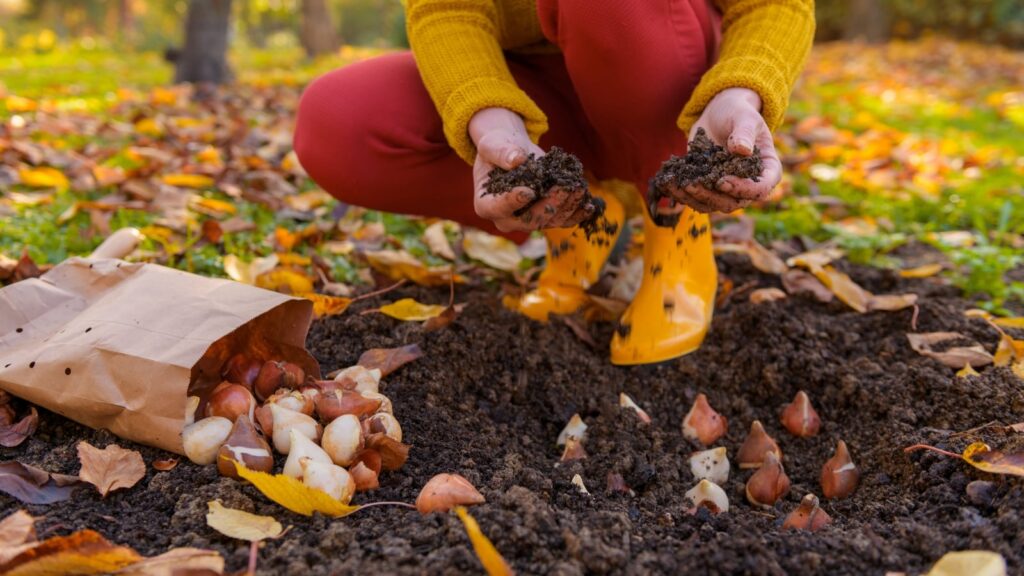
Key Takeaways
- Most of West Virginia should plant tulip bulbs between mid-October and mid-November.
- In the high mountains (zone 5), plant from late September into mid-October. In the Ohio River and Kanawha valleys and the Eastern Panhandle, you can plant through late November.
- The real signal is soil temperature. Plant once the soil 6 inches down stays below 60 degrees, which usually comes after a week or two of nights in the 40s.
- Set bulbs 6 to 8 inches deep. In clay, loosen the soil below the bulb so water drains away instead of sitting around it.
- If the ground isn’t frozen yet, it’s not too late. Late-planted tulips still bloom in West Virginia.
Plant tulip bulbs in West Virginia once the soil at planting depth drops below 60 degrees. For most of the state, that falls between mid-October and mid-November. Mountain gardens should go in a few weeks earlier, and river valley gardens can wait until late November.
Updated October 23, 2026. If you have a bag of bulbs sitting in the garage right now, this week works well across most of the state. The only places that should already be done are the high ridges.
Table of Contents
- When should you plant tulip bulbs in West Virginia?
- How does the timing change across the state?
- How do you know the soil is cool enough?
- How deep should you plant tulips in clay soil?
- Is it too late to plant tulips in November or December?
- How do you keep deer and voles away from tulips?
- Frequently asked questions
When should you plant tulip bulbs in West Virginia?
The best window for most West Virginia gardens runs from mid-October to mid-November. This timing gives the bulbs four to six weeks to grow roots before the ground freezes hard. It also keeps them from sprouting leaves during a warm fall spell.
Tulips need a long cold period to bloom, usually 12 to 16 weeks below about 45 degrees. A West Virginia winter gives them that on its own, so you don’t need to chill bulbs in the refrigerator the way gardeners in Texas or Florida do. Put them in the ground at the right time and the winter does the rest.
Garlic follows almost the same calendar. If you already worked out what month to plant garlic in West Virginia, you can plant your tulips that same weekend.
How does the timing change across the state?
Elevation matters more than latitude here, so plant earlier the higher you live. West Virginia covers USDA zones 5 through 7, and a garden on a ridge in Tucker County can freeze weeks before one in Huntington. Use the table below as a starting point and adjust it for your own hollow or hilltop.
| Area | Example towns | Typical zone | Planting window |
|---|---|---|---|
| High mountains | Canaan Valley, Snowshoe, Davis, upper Pocahontas County | 5 | Late September to mid-October |
| Central and higher southern counties | Elkins, Beckley, Bluefield, Morgantown | 6a | Mid-October to early November |
| River valleys and the Eastern Panhandle | Charleston, Huntington, Parkersburg, Wheeling, Martinsburg | 6b to 7a | Late October to late November |
Frost pockets break these rules. Cold air drains downhill, so a valley floor can freeze earlier than a slope 200 feet higher. If your low spot always frosts first in spring, treat it as one zone colder in fall too.
How do you know the soil is cool enough?
The soil is ready when it stays below 60 degrees at 6 inches deep. A cheap soil thermometer pushed into the bed in the morning tells you for sure. Without one, wait until you’ve had a week or two of nights in the 40s and the maples in your area have mostly turned.
Planting too early causes more trouble than planting late. Bulbs in warm, damp soil can push leaves in fall that get burned off later, and they rot more easily. That rot risk is worse in heavy clay.
Don’t trust the date on the bag. Bulb packaging gives one national range, and in West Virginia that range covers too many different climates to help much.
How deep should you plant tulips in clay soil?
Plant tulips 6 to 8 inches deep, measured from the base of the bulb, with the pointed end up. A good rule is about three times the height of the bulb. Deeper planting helps them come back in later years and puts them a little farther from squirrels.
Clay causes the real problem in this state, and you know it if you’ve ever had to get red clay mud out of carpet. Tulip bulbs rot when they sit in water all winter. Dig a few inches below planting depth, break up the bottom of the hole, and mix in compost or shredded leaves.
Don’t add sand to clay. A small amount of sand mixed into clay can set up harder than the clay alone. If water pools in a spot after rain, pick another spot or build a raised bed.
Water the bed once after planting so the soil settles around the bulbs. After the ground cools, spread 2 to 3 inches of shredded leaves over the bed. The mulch evens out the freeze-thaw cycles that can push bulbs up out of the soil.
Is it too late to plant tulips in November or December?
No, if you can still dig a hole, you can still plant tulips. Bulbs planted in late November or even December usually bloom fine. They may flower a week or so late, and the stems can be shorter.
The worst thing you can do with leftover bulbs is keep them in the garage until spring. They dry out and won’t flower after a winter on a shelf. Plant them late anyway, or put them in pots.
When the pumpkins come off the porch after Halloween, that space works well for a few pots of bulbs. If you went with farmhouse porch decor that lasts into November, the same planters can go to tulips through the winter.
How do you keep deer and voles away from tulips?
Physical barriers do the most good, and for deer the only sure answer is a fence. Deer eat tulip buds right before they open, and West Virginia has plenty of deer. If deer walk through your yard every evening, plant daffodils instead, because deer and rodents leave them alone.
Voles and chipmunks eat the bulbs underground. That’s the same cold-weather rodent pressure behind keeping mice out of a cabin in winter. Line each hole with sharp gravel, or plant groups of bulbs inside a basket made from hardware cloth.
Squirrels dig where they smell fresh-turned soil and papery bulb skins. Pick up the skins, firm the soil when you finish, and lay chicken wire flat over the bed until the ground freezes. Spray repellents help some, but you have to reapply them after every rain.
If you still need a bulb planter, a soil thermometer, or hardware cloth, check our current deals on garden and outdoor gear before you head out.
Frequently asked questions
Do tulip bulbs need to be pre-chilled before planting in West Virginia?
No. West Virginia winters give tulips the 12 to 16 weeks of cold they need. Pre-chilling in a refrigerator is only for warm-winter states. If you do store bulbs in the fridge for a short time, keep them away from apples, because the gas fruit gives off can damage the flower inside the bulb.
Can you plant tulips in pots in West Virginia?
Yes, but soil in a pot freezes harder and faster than soil in the ground. Use a large container, plant at the same depth, and move it to an unheated garage or shed during the coldest weeks. You can also sink the pot into the garden soil until spring.
When do tulips bloom in West Virginia?
Most tulips bloom in April in the valleys and lower elevations. In the mountains, expect late April into May. Early, mid, and late season varieties can stretch the show over several weeks.
Will tulips come back every year in West Virginia?
Many hybrid tulips fade after two or three years, especially in wet clay. Darwin hybrids and species tulips come back more reliably. Plant them deep in well-drained soil and let the leaves die back on their own before you cut them.
If you live below about 2,000 feet, plant your tulips sometime in the next few weeks, on a dry day when the soil isn’t sticky. Up high, get them in as soon as you can. Down in the river valleys, you can wait until after the leaves are raked.
Once the bulbs are in, there’s nothing else to do until spring except keep the squirrels honest. Mulch the bed, put the shovel away, and let the winter handle the chilling.
