

Updated November 6, 2026. Early November, with Black Friday coming and early holiday shopping starting.
Quick takeaways
- Rake the hot coals toward the front of the firebox, near the air intake, and pack large splits tight behind them.
- Burn the new load with the air wide open for 15 to 30 minutes so the wood chars and catches before you turn it down.
- Close the air control most of the way, but never all the way, so the fire burns slow and clean instead of smoldering.
- Dense, dry hardwood like oak, hickory, and black locust leaves the most coals by morning.
- In the morning, rake the coals forward, add small splits, and open the air until the fire takes off.
To bank a wood stove for the night, rake the hot coals toward the front, load large, dry hardwood splits tight behind them, and let that load burn hot for 15 to 30 minutes before you turn the air down most of the way. That gives you a slow, clean burn that leaves a bed of live coals in the morning instead of a cold firebox and a cold kitchen floor.
Most of the trouble new stove owners have comes from turning the air down too soon or too far. Here is the whole routine, plus what changes on a catalytic stove and how to bring the fire back at dawn.
Table of contents
- What does it mean to bank a wood stove?
- How do you bank a wood stove for the night?
- What wood holds a fire longest overnight?
- How far should you close the air control?
- Does banking work differently on a catalytic stove?
- Is it safe to bank a wood stove and go to sleep?
- How do you bring a banked stove back in the morning?
- Gear that makes the bedtime reload easier
- Frequently asked questions
What does it mean to bank a wood stove?
Banking a wood stove means loading it so the fire burns slowly through the night and leaves live coals for the morning. You are trading flame and peak heat for long, steady warmth.
The idea is old. Folks in these hills banked coal and wood fires long before anybody sold a stove with an air control, and the principle has not changed: a full load of fuel, packed tight, with limited air.
How do you bank a wood stove for the night?
Start about 30 to 45 minutes before you plan to go to bed, while you still have a good bed of hot coals. Loading a full box onto a weak fire and walking away is the most common reason people wake up to a cold stove.
- Open the air control all the way for a few minutes to wake the coals up.
- Use a poker to rake the coals toward the front of the firebox, near where the primary air comes in on most stoves.
- Load your biggest, densest splits behind and on top of the coals, packed close together with small gaps.
- Close the door and leave the air wide open for 15 to 30 minutes until the outside of the wood is charred and burning well.
- Turn the air down in two or three steps over ten minutes or so, watching the flames each time.
- Stop when the flames are lazy and slow but still there, then go to bed.
Some stoves pull air from a different spot, so check your manual for where the coals should sit. The front placement works for most common designs because the incoming air hits the coals first and lights the load from the front to the back.
Packing the wood tight matters more than people think. Splits that touch each other burn slower than splits with big air gaps, and that slow burn is the whole point at night. For a longer look at load direction and stove size, see our guide to keeping a wood stove burning overnight.
What wood holds a fire longest overnight?
Dense, well-seasoned hardwood holds a fire longest, and in West Virginia that usually means white or red oak, hickory, black locust, or sugar maple. These woods pack a lot of fuel into each split and burn down into long-lasting coals.
Dryness matters as much as species. Wet wood spends its energy boiling off water, burns cool, and coats your flue with creosote when you turn the air down. A moisture meter reading under 20 percent on a fresh-split face is the common target.
Save the poplar, pine, and soft maple for daytime fires and morning restarts. They light fast and burn fast, which is what you want at 6 a.m. and not what you want at midnight.
How far should you close the air control?
Close the air down most of the way, but leave it open enough to keep a small, steady flame. A fully shut stove smolders, and a smoldering fire makes smoke, blackens the glass, and builds creosote fast.
Every stove is a little different, so learn yours by watching it. If the flames die out completely and you see thick, rolling smoke behind the glass, open the air a notch. Our post on when to close the damper on a wood stove covers the difference between the air control and a pipe damper, which trips up a lot of new owners.
Watch the outside of the chimney on a still morning too. A thin, nearly clear exhaust means a clean burn, and heavy gray or yellow smoke means you have the air too low or the wood too wet.
Does banking work differently on a catalytic stove?
Yes, a catalytic stove needs you to engage the catalyst before you turn the air down. The catalyst burns the smoke at a lower temperature, which is why these stoves can idle low for many hours and still burn clean.
Load the stove and run it hot with the bypass open until the stove top or the cat probe reaches the temperature your manual gives. Then close the bypass and turn the air down. If you turn the air down before the cat lights off, you get the same smoky smolder as any other stove.
Non-catalytic EPA stoves with secondary burn tubes work the way the step list above describes. You will often see a slow, rolling flame near the tubes at the top of the firebox, which is a good sign.
Is it safe to bank a wood stove and go to sleep?
Banking a stove for the night is safe when the stove is installed to code, the chimney is clean, and you have working smoke and carbon monoxide detectors. Millions of households heat this way all winter.
Never leave the door cracked open to get the fire going and then go to bed. Keep firewood, rugs, and anything that burns at least the clearance your manual lists, and if you are planning Christmas lights on a log cabin this year, keep cords and decorations well away from the stove and pipe.
Banked stoves run cool and low for hours, and that is exactly the condition that builds creosote. If you burn this way most nights, plan on more frequent chimney checks during the season, not just one sweep in the fall.
How do you bring a banked stove back in the morning?
Open the air all the way, rake the coals toward the front, and lay a few small, dry splits on top. On a good bank, they catch within a few minutes without any kindling or paper.
If the coals look gray and dead, stir them anyway, since there is usually orange underneath. Pull the ash down first if the box is getting full, because a deep ash bed smothers the coals you are trying to save.
Once the small wood is burning well, add bigger pieces and run it hot for a while. A hot morning fire burns off some of the soot that built up overnight and clears the glass.
Gear that makes the bedtime reload easier
You do not need much to bank a stove well: a poker, an ash shovel, and a pair of real fire gloves. If you want to round out the hearth kit, you can browse current home and outdoor deals on the site.
COREGROUND Fireproof Leather Gloves
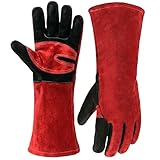
Loading big splits deep into a firebox full of hot coals is where most people singe a forearm. These 16-inch leather gloves cover the wrist gap that regular work gloves leave open. They are for quick reloads and raking, not for holding a burning log.
- 16-inch length covers wrists and lower forearms
- Leather build for fireplace and wood stove use
Frequently asked questions
How long should a banked wood stove last overnight?
Most medium and large stoves loaded full of dry hardwood will hold live coals through a normal night’s sleep. Small fireboxes may run out after five or six hours no matter how well you load them. Your stove manual lists a rated burn time, which is a good starting point.
Should you leave the stove door cracked when banking it?
No. An open door lets the fire run wild and can let embers or smoke into the room. Close the door every time and use the air control to manage the burn.
Can you bank a wood stove with softwood like pine?
You can, but it will not last as long. Seasoned pine burns hot and fast and leaves fewer coals than oak or hickory. Use softwood for starting fires and save the dense hardwood for the night load.
Why is my stove glass black in the morning?
Black glass usually means the air was turned down too low or the wood was too wet. A little haze after a long low burn is normal. A hot morning fire with the air wide open often clears it.
Banking a stove is a skill you learn by doing it a dozen nights in a row and paying attention. Load early, burn it hot first, turn it down slow, and you will figure out where your stove likes the air setting faster than any manual can tell you.
With the cold snaps rolling in this month, a lot of us have a deer hanging in the garage and wood stacked on the porch. If you are working out how long to hang a deer before butchering, the same cold nights that help the meat are the nights a well-banked stove earns its keep. Stay warm out there.
