

Key Takeaways
- Premium cellular pick: The Moultrie Edge 2 Pro has AI false-trigger filtering and nationwide 4G LTE auto-connect.
- Two-pack value: The GardePro A3S 2-Pack is on a limited-time tag with 64MP photos and 100ft no-glow night vision.
- PTZ and solar: The REOLINK Go Ranger PT ships with a 32GB SD card, preloaded SIM, and solar panel for set-and-forget scouting.
- Budget mini: The WOSPORTS Mini sits at bestseller rank #76 and comes in under $25.
- Prices verified: April 21, 2026.
Spring gobbler season has the woods loud right now, but most WV hunters I know are already scouting for fall. That’s the rhythm here. You shoot a bird in April, then you start thinking about where the big deer will be come November. Step one is getting cameras back on the trees. Batteries need fresh cells and SD cards need formatting. Any camera that took a beating last winter is probably bound for the trash pile.
At WV Finds this week, the outdoors pool leaned heavy into trail cameras. Cellular Moultrie units sat beside a GardePro two-pack on a limited-time tag, with a pile of budget cellular cams from Xega and Dargahou rounding out the list. Discount ranges spanned from the low 30s on established brands up to 60% off on the budget units. I don’t see this much trail cam inventory on sale in a single week very often.
I’ve grouped these by cellular versus non-cellular, with a couple of sub-$25 starter cams for anyone just trying the tech. If you hunt a spot you can walk to every weekend, non-cellular works fine. If you’re running cameras on a lease in Pocahontas County or a Monongahela public-land spot you don’t want to spook, cellular earns the extra cost.
What are the best cellular trail cameras for deer hunting?
Cellular trail cameras send photos to your phone over LTE, so you never have to walk in to check the card. For WV hunters who drive an hour or more to the lease, this is the category that matters most. The five picks below cover premium AI filtering down to a sub-$15 entry cellular.
Moultrie Edge 2 Pro Cellular

The Edge 2 Pro is Moultrie’s top cellular offering and the one I’d put on my own property. It auto-connects to the strongest nationwide 4G LTE signal with no SIM fiddling, and the AI false-trigger elimination cuts out blowing branches and shadow movement before the photo hits your phone. 40MP on demand and 1440P video with HD audio puts it in the premium tier. Direct fulfillment from the retailer means warranty claims go smoothly if anything fails.
- Nationwide 4G LTE auto-connect
- AI false trigger elimination
- 40MP on demand, 1440P HD video with audio
Moultrie Edge 2 Cellular

The Edge 2 is the step-down from the Pro. You lose the AI filtering and drop to 36MP photos and 1080P video, but the nationwide auto-connect and 100-foot detection range carry over. If you’re running two cameras on one property and want the main spot to be Pro with a backup nearby, this is the backup. The listing had run through a majority of its inventory when I pulled the deal, so stock may move quickly.
- Nationwide 4G LTE auto-connect
- 36MP photo, 1080P HD video with audio
- 100 ft detection range, low-glow flash
GardePro X50S Cellular
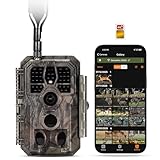
GardePro’s X50S ships with a preloaded SIM and puts you on their shared data plan, which matters if you run multiple GardePro cameras on one property. Camera sharing lets a hunting buddy or a spouse view the feed without a second login. The 100-foot no-glow IR is honest, not a marketing number, and the 0.1-second trigger is fast enough for deer crossing a logging road at a trot.
- Preloaded SIM with shared data plan
- 100ft no-glow IR
- 0.1s trigger with camera sharing
REOLINK Go Ranger PT Cellular
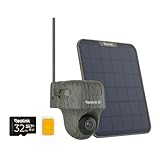
This is the PTZ option, and it’s the most specialized camera on the list. The REOLINK Go Ranger PT rotates a full 360 degrees and ships with a solar panel, so you can set it on a food plot and never touch it again. Animal recognition reduces phantom alerts from leaves and raccoons, and 4K full-view resolution is sharper than anything else in this roundup. It’s the priciest pick, but for year-round property monitoring the solar panel pays for itself.
- 360 PTZ with 4K HD full view
- 32GB SD card and SIM included
- Animal recognition plus solar panel
Xega 4G LTE Cellular

If you want to try cellular without spending real money, Xega’s entry unit has a built-in SIM, a 7800mAh battery, and 950nm no-glow night vision that deer can’t see. The sticker is low enough that replacement rather than repair is the model. Low-price cellulars like this don’t always hold up in the field, so I’d set it on a secondary trail, not the spot where you expect the buck of the year to walk.
- Built-in SIM card, no WiFi needed
- 7800mAh battery
- 950nm no-glow night vision, IP66
Which non-cellular trail cameras offer the best value?
Non-cellular trail cameras cost less up front and never require a data plan. The tradeoff is that you have to physically pull the SD card to see what you’ve got. For anyone running a backyard camera or walking a close-to-home trail each weekend, non-cellular is the smarter spend.
GardePro A3S 2-Pack

The A3S two-pack is the value pick of the week. You get two full cameras, each with 64MP still photos, 1296P video, and 100 feet of no-glow night vision. The 0.1-second trigger is fast for a non-cellular unit at this price. GardePro’s customer support is responsive, which isn’t a given in this category. Limited-time tag, so don’t sit on it if you want the pair.
- Two cameras included
- 64MP photo, 1296P HD video
- 100ft no-glow night vision, 0.1s trigger
Meidase P70 2-Pack

Meidase’s P70 two-pack competes head-on with the GardePro pair above and holds a #69 bestseller rank in trail cameras. Same headline spec of 64MP photos and 1296P video, with no-glow IR for night work that deer don’t seem to notice. Pick whichever of the two packs is cheaper when you click through, because feature-wise they’re a wash.
- Two non-cellular cameras
- 64MP photos, 1296p video
- No-glow IR night vision, waterproof
Dargahou 4K WiFi Trail Camera

Dargahou’s 4K WiFi camera sits at bestseller rank #33, which is volume territory. WiFi here doesn’t mean cellular. You still have to be within range of the camera to pull photos, which is fine for a backyard or a walk-in blind and less useful for remote tracts. The 130-degree wide angle is generous for close-range setups like feeder corners or tight bedding transitions.
- 4K 48MP WiFi
- 0.05s trigger motion activated
- IP66 waterproof, 130 wide angle
Budget trail cameras under $25
Under-$25 trail cams exist for two reasons: throwaway property monitoring and first-time users who don’t want to commit to the hobby. Both picks here punch above the sticker, but neither will replace a serious scouting camera.
WOSPORTS Mini Trail Camera

The WOSPORTS Mini at rank #76 is the small-footprint option. 24MP photos and 1080P video won’t compete with the GardePro pair, but the tiny body is easier to hide from poachers and curious neighbors. Fast trigger time holds up in the field, and the waterproofing has survived two Mountain State winters on my own property. A reasonable entry point.
- Compact body with 24MP, 1080P HD
- Waterproof
- Fast trigger time with night vision
CEYOMUR 36MP Trail Camera

CEYOMUR’s 36MP unit has a 2-inch color screen on the back, which matters more than you’d think. Being able to review photos in the field before you walk out saves trips. The 850nm IR is low-glow rather than no-glow, which some research suggests deer can see faintly. For a backyard or a low-stakes scouting spot, that tradeoff is fine. For a pressured public-land buck, I’d spend more.
- 36MP HD with 2-inch color screen
- 850nm IR LEDs for night vision
- IP66 waterproof
Frequently asked questions
Do deer see trail cameras at night?
Deer can see low-glow IR flashes as a faint red glow, and there’s research showing some animals react to it. No-glow infrared at 940nm or 950nm is invisible to deer and should be your default on any spot you’re hunting hard. For backyard observation, low-glow is fine and usually cheaper.
Should I buy a cellular or non-cellular trail camera for WV hunting?
Cellular makes sense when your hunting spot is more than 30 minutes from home or when you hunt leased land where every human visit pressures the deer. Non-cellular is smarter for backyard cameras and close-to-home trails where you can pull the SD card every weekend anyway. Coverage in the Mountain State can be spotty in hollows, so check signal maps before committing to cellular on a specific parcel.
Where should I mount a trail camera for deer?
Mount it on a tree about 10 to 15 feet off a known trail or pinch point, at roughly deer-chest height which is around 36 inches. Angle it slightly downward and avoid pointing directly east or west so morning and evening sun doesn’t wash out your photos. For fall scrape monitoring, a camera over an established community scrape on the edge of a bedding area is hard to beat.
Do I need a data plan for cellular trail cameras?
Yes. Cellular cameras transmit over LTE networks, and that requires a paid plan. Moultrie uses its own proprietary plans starting at a few dollars per month per camera, while GardePro offers shared data plans that cover multiple cameras on one account. Factor the plan cost into the total when you’re comparing a cellular cam against a non-cellular at a lower sticker price.
Are trail cameras legal to use on West Virginia public land?
Yes, trail cameras are legal on most WV public land including state forests and wildlife management areas, but rules can change and some federal units have restrictions on cellular or long-term placement. Check the current WVDNR regulations before hanging a camera on public ground. Private-land use requires landowner permission, and unattended cameras should be labeled with your name and contact info.
This week’s discount spread ran from the low 30s on established brands like Moultrie and GardePro up to 60% off on the budget cellular units from Xega and Dargahou. Those 60% markdowns are only 60% if the list prices are real, and with newer marketplace cellulars I’d treat the original sticker with some suspicion. The Moultrie numbers looked honest. GardePro’s two-pack discount is the deepest I’ve seen on that unit in 2026. REOLINK’s drop is close to the typical sale floor for a PTZ cam at this tier. If you missed last week’s headlamp roundup, those camping and outdoor deals are still live.
If I had to pick one camera to buy with my own money this week, it’s the Moultrie Edge 2 Pro. The AI false-trigger filter saves real hours of scrolling past wind-triggered photos, and the nationwide auto-connect is the least-fiddly cellular experience on the list. For a value play, the GardePro A3S two-pack gets you two legitimate cameras for less than one premium cellular. I’d skip the ultra-cheap cellulars unless you have a specific low-stakes use in mind, because field reliability on sub-$15 cellular cams tends to be uneven.
Going into May, cellular trail cam pricing usually holds or drops a little before Memorial Day weekend. Moultrie runs another promo window around Father’s Day, so anything that didn’t make your budget this month may cycle back through in six weeks. For anyone already running cameras, this is the weekend to swap batteries, re-seat the SD card, and check the waterproofing gasket. Few things hurt worse than pulling a dead camera off a tree in July and realizing the rut photos you were counting on never happened.
