
Key takeaways
- Archery and crossbow open first. In most years that falls on the last Saturday of September, and the season runs into late December.
- Buck firearm season, what most people call rifle season, traditionally opens the Monday before Thanksgiving and runs two weeks.
- Muzzleloader gets its own stretch in December, after the firearm season closes.
- Antlerless firearm seasons are set county by county and run in several separate segments, so your neighbor two counties over may have different dates than you.
- These are the long-standing patterns, not guarantees. Confirm the current dates in the WV DNR hunting regulations summary before opening morning.
Updated August 31, 2026.
What’s on this page
- When does deer season start in West Virginia?
- When does bow season start in West Virginia?
- When does rifle season start in West Virginia?
- When is muzzleloader season?
- What about antlerless and youth seasons?
- Do the dates change depending on your county?
- What license do you need before opening day?
- What should you have squared away before the opener?
- Frequently asked questions
Deer season in West Virginia starts in late September with archery and crossbow. In most years the opener lands on the last Saturday of the month, and that season stays open through the end of December.
Firearm hunters wait longer. Buck gun season has opened on the Monday before Thanksgiving for as long as most of us can remember, and it runs two weeks from there. Everything else, muzzleloader and the various antlerless segments, fills in the gaps around those two anchors.
When does deer season start in West Virginia?
The first deer season of the year opens in late September with archery equipment and crossbows. That is the earliest legal opportunity at a whitetail for most hunters in the state.
West Virginia does not run one single deer season. It runs a stack of them, each tied to a weapon type or a class of hunter, spread across roughly four months. So the honest answer to “when does deer season start” depends entirely on what you plan to carry into the woods.
If you hunt with a bow, you are looking at late September. If you hunt with a rifle, you are looking at the week of Thanksgiving. If you hunt with a muzzleloader, you are looking at December.
When does bow season start in West Virginia?
Archery and crossbow season opens on the last Saturday in September in most years and runs through December 31. That makes it by far the longest deer season on the calendar, better than three months of hunting on one stamp.
West Virginia folded crossbows into the general archery season years ago, so you no longer need a special permit or a doctor’s note to carry one. Bow and crossbow hunters share the same dates and the same bag limits.
The early part of archery season is warm work. Late September in the mountains still runs into the seventies some afternoons, the bugs have not quit, and you will be dragging a deer out in shirtsleeves. Plan your pack accordingly and get the animal cooled down fast.
The stretch worth circling is late October into early November, when the rut heats up and the woods finally open up. That timing overlaps neatly with peak leaf color in the high counties, which is a nice bonus if you hunt Pocahontas or Randolph.
When does rifle season start in West Virginia?
Buck firearm season opens the Monday before Thanksgiving and runs two weeks, closing the first Saturday in December. That opening Monday is close to a state holiday around here, and plenty of schools and job sites are noticeably thin that day.
This is the season that draws the crowds. Public land in the popular counties gets busy that first weekend, and camps that sit empty all year fill up Sunday night. If you hunt National Forest ground, get in earlier and go farther than you think you need to.
Blaze orange is required during firearm deer seasons, and the regulations specify a minimum amount you have to wear. Four hundred square inches has been the long-standing figure, but read the current summary rather than trusting memory. The requirement also applies to some other hunters afield during the same window.
When is muzzleloader season?
Muzzleloader deer season runs about a week in December, after the buck firearm season has closed. It is a quieter, colder, and generally emptier season than the November opener.
December hunting in West Virginia means real weather. Snow on the north-facing slopes, wind that finds every gap in your layers, and short daylight. The tracking is often excellent, which is why a lot of experienced hunters would rather have this week than opening day.
There is also a traditional-weapons season in January in most years, sometimes called the Mountaineer Heritage season, restricted to flintlock and traditional archery gear. It requires an extra license, so check whether you are eligible before you make plans.
What about antlerless and youth seasons?
Antlerless firearm deer season runs in several separate segments spread across the fall and early winter, and the dates and county eligibility change from year to year. There is also a two-day youth, Class Q, and Class XS antlerless hunt that typically falls on a weekend in late October.
The late October youth weekend is worth building a family trip around. It comes before the November crowds, the weather is usually pleasant, and a young hunter gets the woods mostly to themselves. That same stretch of fall is when squirrel hunting is at its best too, so nobody goes home bored.
Antlerless dates are the ones most likely to trip people up. They are not uniform statewide, and a county that was open last year may be closed or shortened this year based on deer numbers and mast conditions.
Do the dates change depending on your county?
Yes, mostly for antlerless seasons and for a few special hunts. Archery, buck firearm, and muzzleloader dates apply statewide, but antlerless firearm opportunity is set county by county.
The DNR adjusts those county lists each year based on deer population data, hunter harvest, and habitat conditions. A bad acorn year in the eastern counties can change how many antlerless days you get the following season.
There are also urban deer archery seasons in certain municipalities that open earlier than the general archery season, and special hunts on some state parks and wildlife management areas that require an application. Those are all listed separately in the regulations, and they are easy to miss if you only skim the main season table.
One more thing that catches people every fall: Sunday hunting rules are not the same everywhere in West Virginia. We covered where Sunday hunting is allowed and where it is not in more detail, because the answer depends on whether you are on public or private ground.
What license do you need before opening day?
Most hunters need a resident or nonresident hunting license plus the appropriate deer stamp, and archery hunters need the archery and crossbow stamp. Nonresidents and hunters born after a certain date also need proof of hunter education.
West Virginia has a landowner exemption that lets resident landowners and their immediate family hunt their own land without a license under specific conditions. The details matter, including what counts as immediate family and what happens on leased ground, so read the actual rule rather than the version your uncle repeats every year.
Buy licenses well ahead of the opener. The DNR site and license agents both get busy the week before Thanksgiving, and standing in line at a hardware store counter on Sunday afternoon is a poor use of scouting time.
For season dates, county antlerless lists, bag limits, and checking requirements, the West Virginia Division of Natural Resources publishes an annual hunting regulations summary. That document is the only source worth trusting for exact numbers, because they are reset every year.
What should you have squared away before the opener?
Scouting, stand placement, and your orange should all be handled before the season opens, not the week of. Late summer into early September is the window for hanging cameras and clearing shooting lanes without wrecking the area you plan to hunt.
Trail cameras earn their keep in this stretch. Bucks are still in bachelor groups and moving on predictable food-to-bed patterns, which tells you a lot before the rut scrambles everything. If you are weighing options, we compared cellular cameras with night vision for hunters who do not want to burn gas checking cards every week.
Stealth Cam DS4K Transmit Cellular Camera
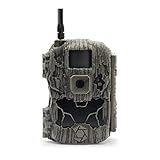
Stealth Cam DS4K Transmit AT&T 32MP 4K 30 FPS 0.2 Hunting Game Camera
A cellular camera makes sense when the property you hunt is a drive away and every card pull risks bumping deer off the pattern you are trying to learn. This one sends images over a cell network, so you can watch a food plot or a bench trail without walking in. Check your carrier coverage at the actual spot first, because hollows in this state swallow signal.
- Sends images over AT&T cell network
- 32MP stills and 4K video
- Good for properties you cannot check often
Orange is the other item to handle early. You need enough of it during firearm seasons, and pulling a faded vest out of a tote the night before is how people end up short. A vest that fits over a heavy coat is the version worth owning, since November mornings in the mountains start in the twenties.
Allen Company Blaze Orange Vest

This is a simple blaze orange vest sized to go over a jacket, which is exactly what you want for buck season rather than something snug over a t-shirt. Hook and loop closure instead of a zipper means one less noisy thing to fumble in the dark. Keep a spare in the truck for anyone who shows up without one.
- Fits over a heavy hunting jacket
- Hook and loop closure, no noisy zipper
- Adjustable 26 to 60 inch range
The last thing is camp light. Deer camp runs on early mornings and late evenings, and a battery lantern that lives in the same tote year after year beats hunting for a working flashlight at four in the morning.
Bushnell Rubicon 300L Lantern

A basic AA-powered lantern with spot and area modes covers the camp jobs, from getting dressed in a cold cabin to hanging a deer after dark. Batteries mean no dead lithium pack when you need it most, which matters in a cabin with no reliable power. Toss it in the same bin as your orange so both come out together.
- Runs on 4 AA batteries
- Spot and area light modes
- Hands-free hanging for camp chores
If you are still filling gaps in the fall kit, the deals page is where we round up the hunting and cold-weather gear worth a look this time of year.
Frequently asked questions
What is the earliest deer season in West Virginia?
Archery and crossbow season is the earliest general deer season, opening in late September. A handful of municipalities run urban deer archery seasons that open even earlier, but those are limited to specific city boundaries and have their own rules. Check the regulations summary for the urban season list.
Does rifle season always start the Monday before Thanksgiving?
That has been the pattern in West Virginia for decades, and it is what most hunters plan around. The date shifts on the calendar each year because Thanksgiving moves, but the relationship to the holiday holds. Confirm the current year’s dates with the DNR before you book time off.
Do I need a hunting license to hunt deer on my own land in West Virginia?
Resident landowners and certain immediate family members can hunt their own land without a license under a state exemption, but the conditions are specific. Leased ground, non-resident owners, and extended family are all treated differently. Read the exemption language in the current regulations rather than relying on secondhand versions.
How much blaze orange do I have to wear during deer season?
West Virginia requires a minimum amount of blaze orange during firearm deer seasons, with 400 square inches being the long-standing figure. It applies to hunters during those seasons, and hikers often choose to wear some too even though they are not required to. The exact requirement is spelled out in the annual regulations.
Can I hunt deer on Sunday in West Virginia?
Sunday hunting is legal on private land statewide with landowner permission, and on public land in counties that have not opted out. The county list is the part that changes, so verify where you plan to hunt. It is one of the most misunderstood rules in the state.
The short version: mark the last Saturday of September if you shoot a bow, and the Monday before Thanksgiving if you shoot a rifle. Everything else in the deer calendar hangs off those two dates.
Then go pull up the current regulations summary and check your county’s antlerless dates, because that is the one piece nobody can tell you from memory. Do it now, while you are still thinking about it, and not the night before you plan to be in a stand.
